
Mobile Device Management for Emergency Services
Home
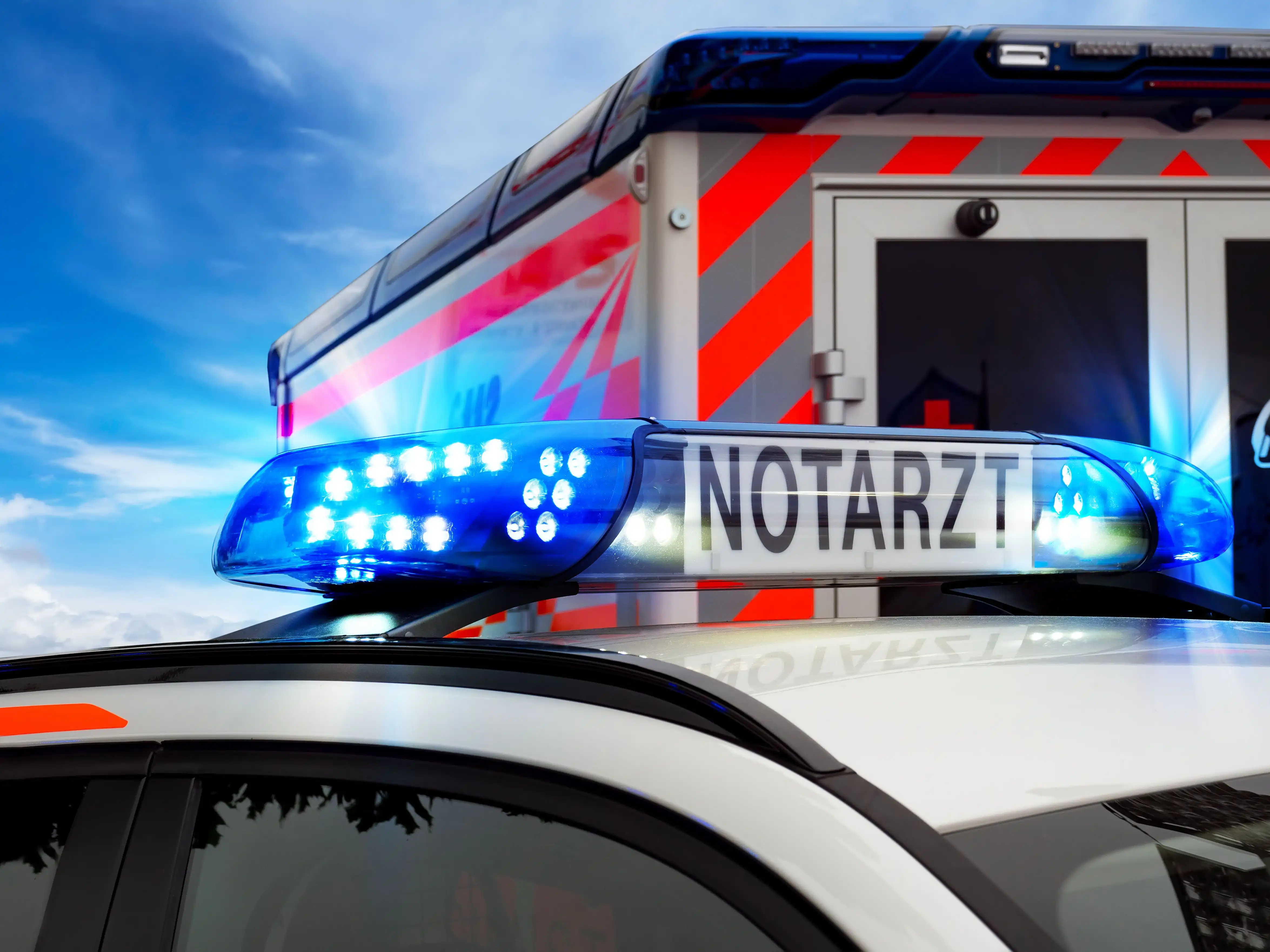
A close-up of a flashing blue light on the roof of a vehicle, with an ambulance visible in the blurred background.

Digital Emergency Services Organizations

Protect, Rescue, Help, Coordinate

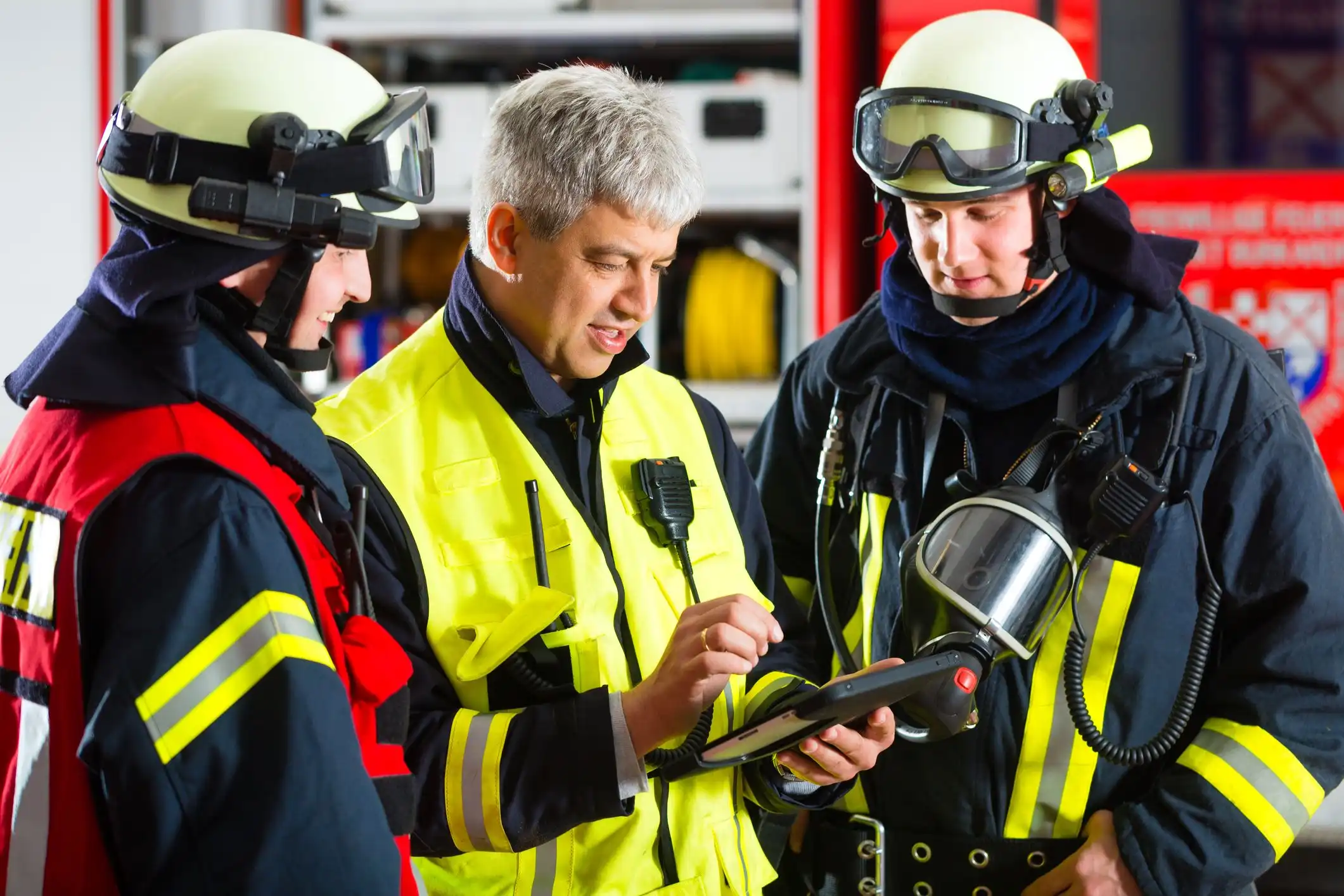
A fire chief explaining operational information to two firefighters on a tablet

Secure Device Management for Emergency Services Organizations with Relution

In security-critical areas such as the police, fire services, emergency medical services, or other KRITIS organizations, a reliable, data protection-compliant, and always available IT infrastructure is essential. Mobile devices such as smartphones, tablets, and laptops play a central role here – whether for operational communication, situation overviews, or access to specialized applications.

As a powerful Mobile Device Management solution (MDM), Relution offers a central platform tailored specifically to the requirements of emergency service organizations and public safety agencies (BOS – authorities and organizations with security tasks). The solution enables the secure and efficient management of devices – regardless of operating systems such as iOS, Android, Linux, or Windows.

Relution meets the highest standards for data protection and IT security: the solution is GDPR-compliant and can be operated entirely in Germany. For emergency service organizations, this means not only maximum control over sensitive data and infrastructure, but also a future-proof foundation for everyday digital operations.

Two police officers, seen from behind wearing protective vests bearing the word ‘POLICE’, are looking out at a crowd.

What challenges does digitalization bring for emergency service organizations?

Digitalization is fundamentally changing the way emergency service organizations work, opening up new opportunities for faster communication, more efficient operational planning, and real-time access to critical information. At the same time, it also brings challenges that can be mastered with a Mobile Device Management system:

  • Operational data and personal information must be protected against unauthorized access to ensure the security of sensitive data.
  • Organizations must meet strict legal requirements such as the GDPR in order to comply with data protection regulations.
  • The large number of mobile devices requires central and automated management that minimizes administrative effort and increases efficiency.
  • Devices must be usable both on a personalized basis and across teams without compromising security, in order to enable maximum flexibility in operations.
  • Specialized applications (command and control systems, alerting apps, documentation software) require suitable technical prerequisites: central app distribution, management of app requirements, and kiosk modes (e.g. single app mode) to restrict devices to operationally relevant functions.

How does Relution support emergency services organizations?

Relution was specifically developed to support emergency services organizations in the secure and efficient management of their IT infrastructure. The solution offers all the necessary tools to reliably control mobile devices and meet the high requirements for data protection and security:

  • Devices can be configured and monitored across platforms to ensure centralized management.
  • Encryption, remote wiping, and access controls protect sensitive data and ensure maximum security.
  • Automated processes reduce administrative effort and increase the operational readiness of devices.
  • Zero Touch Enrollment ensures that devices are immediately ready for deployment, even in operational situations.
  • Support for personalized and cross-team devices as well as cross-platform compatibility ensures maximum flexibility.

With these features, Relution offers a reliable and powerful solution specifically tailored to the complex requirements of emergency services organizations. This enables police, fire services, and rescue services to make their operations more efficient and safer.

Relution in Practice

  • Mobile Device Management for Law Enforcement Agencies

    Law enforcement agencies face demanding tasks every day that require quick and precise decisions – often in security-critical situations. With an MDM system, mobile devices can be centrally managed and operated securely. Relution enables the deployment of wanted persons databases, operational control systems, and documentation software that can be used directly in patrol cars, control centers, or during field operations. Compliance with strict data protection regulations and the option to store data locally or in a secure cloud ensure maximum security.

  • Mobile Device Management for Fire Services

    [Fire services](/en/emergency-services /fire-department/) must act quickly and access reliable information in dynamic and often unpredictable operational scenarios. With Relution, hazardous materials databases, navigation software, and alerting apps can be centrally deployed, ensuring that emergency personnel always have access to critical information. Devices remain operational even under extreme conditions, and kiosk mode ensures that only relevant functions are available. Relution also supports the flexible use of devices in vehicles, control centers, and mobile teams, maximizing the operational capability and safety of fire service personnel. Learn more.

  • Mobile Device Management for Rescue Services

    Rescue services benefit from MDM through the centralized management of mobile devices, the secure deployment of therapy plans, and compliance with strict data protection regulations. With Relution, devices can be flexibly used for patient communication, documentation, and the display of wound healing processes. The platform enables central control of apps and functions, ensuring that rescue teams always have access to the information they need. Through support for Zero Touch Enrollment, devices are immediately ready for deployment, which is critical in operational situations.

Frequently Asked Questions About Device Management for Emergency Services Organizations

An MDM system ensures that mobile devices are always ready for deployment by offering features such as Zero Touch Enrollment, automated updates, and central configurations. Devices can be quickly prepared for specific operational scenarios such as patrol cars, control centers, or mobile teams. Furthermore, central management ensures that all devices are equipped with the latest security policies and applications, which significantly increases efficiency and security in operations.

MDM systems offer comprehensive security features specifically tailored to the requirements of emergency services organizations. These include encryption, remote wiping, and access controls that ensure sensitive operational data such as wanted persons records, hazardous materials information, or patient files are protected from unauthorized access. In addition, security policies can be centrally managed and automatically applied to all devices to ensure uniform standards.

Yes, an MDM system supports the coordination of operations by enabling the central deployment of operational plans, communication apps, and navigation software. Emergency personnel can access relevant information in real time, which improves collaboration between teams and shortens response times. This is particularly important in complex operations where precise coordination between different units is required.

Mobile Device Management systems enable the specific configuration of devices for use in vehicles, such as tablets in kiosk mode. This ensures that only relevant functions and apps such as navigation software, hazardous materials databases, or operational control systems are available. This minimizes distractions and ensures that emergency personnel can quickly and efficiently access the information they need. Devices can also be monitored and updated as needed without having to be removed from the vehicle.

Shared devices offer emergency services organizations a flexible solution for efficiently using devices among different emergency personnel. After a user logs off, devices are automatically reset so that no sensitive data from previous users remains. This not only ensures data protection but also saves valuable time as no manual reconfiguration is required. In addition, profiles and permissions can be dynamically adjusted to meet the specific requirements of the current operation. This means devices are immediately ready for deployment, whether used in patrol cars, control centers, or with mobile teams.

Compliance with the GDPR and other data protection requirements is ensured through central features such as access controls, encryption, and the logging of data flows. Depending on requirements, data can be stored either locally on secure servers or in certified cloud environments. IT administrators also have the option to specifically control access to critical information and ensure that only authorized persons can access it.

The standardization of device configurations and security policies significantly facilitates collaboration between police, fire services, and rescue services. Uniform standards and centrally managed applications ensure that all parties can work together efficiently, particularly during joint operations or in federal structures. Central management ensures that all devices are equipped with the same applications and security requirements, which improves coordination and communication between organizations.

The central deployment and configuration of specialized applications such as hazardous materials databases, alerting apps, or operational control systems enables targeted adaptation to the requirements of the organizations. These applications can be flexibly updated so that emergency personnel are always equipped with the latest tools. This ensures that all teams can work efficiently and have access to the right information to effectively fulfill their tasks.

To deal with the loss or theft of a device, IT administrators can remotely lock devices or delete all data stored on them to prevent unauthorized access. In addition, lost devices can be located, which facilitates recovery. These security measures are crucial to protecting sensitive operational data and ensuring the integrity of the organization, even in critical situations.

Central control and automation of processes enables efficient management of large device fleets. Features such as dynamic groupings, automated updates, and Zero Touch Enrollment significantly reduce administrative effort. This ensures that all devices are always ready for deployment and meet current security standards, without IT administrators having to configure each device individually.